
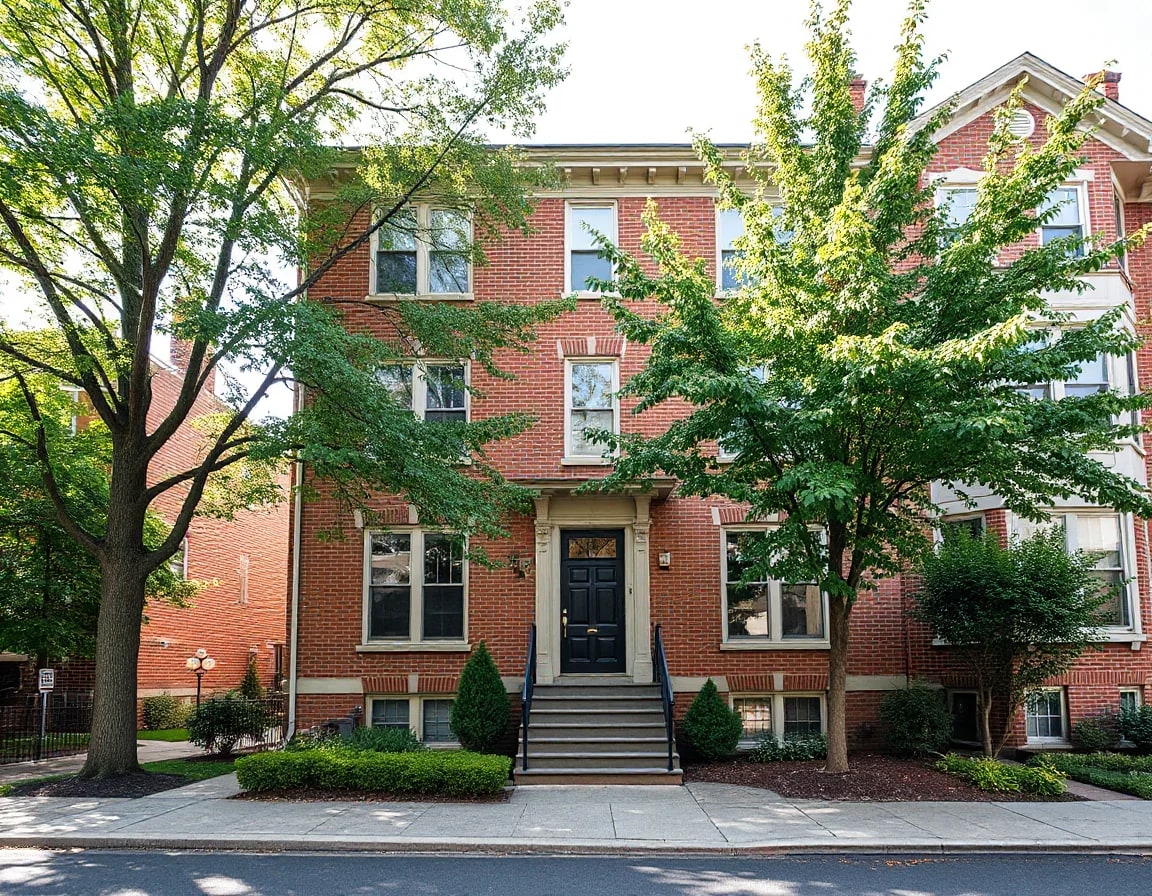
Buying a condo in Cambridge can feel fast, competitive, and paperwork-heavy, but the process gets much clearer when you know which questions matter most. These six questions help you evaluate monthly costs, building rules, condition, and resale potential before you commit. A little diligence up front can save money, time, and unnecessary stress later.
Start With the Costs You’ll Pay Every Month
Condo buyers in Cambridge often focus first on list price, but the more useful starting point is the full monthly ownership picture. A unit with a lower asking price may still carry higher ongoing costs if the HOA fee is substantial, if utilities are billed separately, or if the building has upcoming capital work that could change your budget after closing. In a market where many properties are in multi-unit buildings of different ages and management styles, monthly costs deserve just as much attention as square footage or finish level.

Your first smart question is: What exactly does the HOA fee cover? Some associations include heat, hot water, exterior maintenance, snow removal, master insurance, and reserve funding. Others cover only a narrow list of shared expenses. The answer changes how you compare one condo to another. A higher fee is not automatically a problem if it covers major recurring costs and reflects healthy building operations.
Your second question should be: Are there any planned special assessments or major projects coming up? Roof replacement, masonry work, entry systems, windows, or structural repairs can materially affect ownership costs. Cambridge has a mix of older brick buildings, converted homes, and newer construction, so deferred maintenance and improvement plans vary widely from one association to the next.
A condo’s true affordability is the combination of mortgage, taxes, insurance, HOA dues, and likely near-term building expenses—not just the purchase price on the listing.
If the seller disclosures and condo documents are available early, review them carefully. Minutes from association meetings, reserve information, and budgets can reveal whether the building is proactively maintained or reacting to issues as they arise. That context helps you avoid surprises and negotiate from a stronger position.
Ask How the Building Is Run, Not Just How the Unit Looks
Well-staged interiors can make an immediate impression, but strong condo decisions usually come from understanding the association behind the walls. That leads to question three: How is the association managed? A professionally managed building may offer more formal systems for maintenance requests, budgeting, and recordkeeping, while a smaller self-managed association may feel more hands-on and flexible. Neither setup is automatically better; what matters is whether the owners are organized, transparent, and financially responsible.
Question four is equally important: What rules could affect how I use the property? Buyers should understand policies on rentals, renovation approvals, move-in procedures, pet restrictions, storage, parking, and short-term leasing. These rules shape day-to-day ownership and future flexibility. If you think you might renovate a kitchen, rent the unit later, or need bike storage, it is far better to confirm those details before making an offer than to learn them after closing.
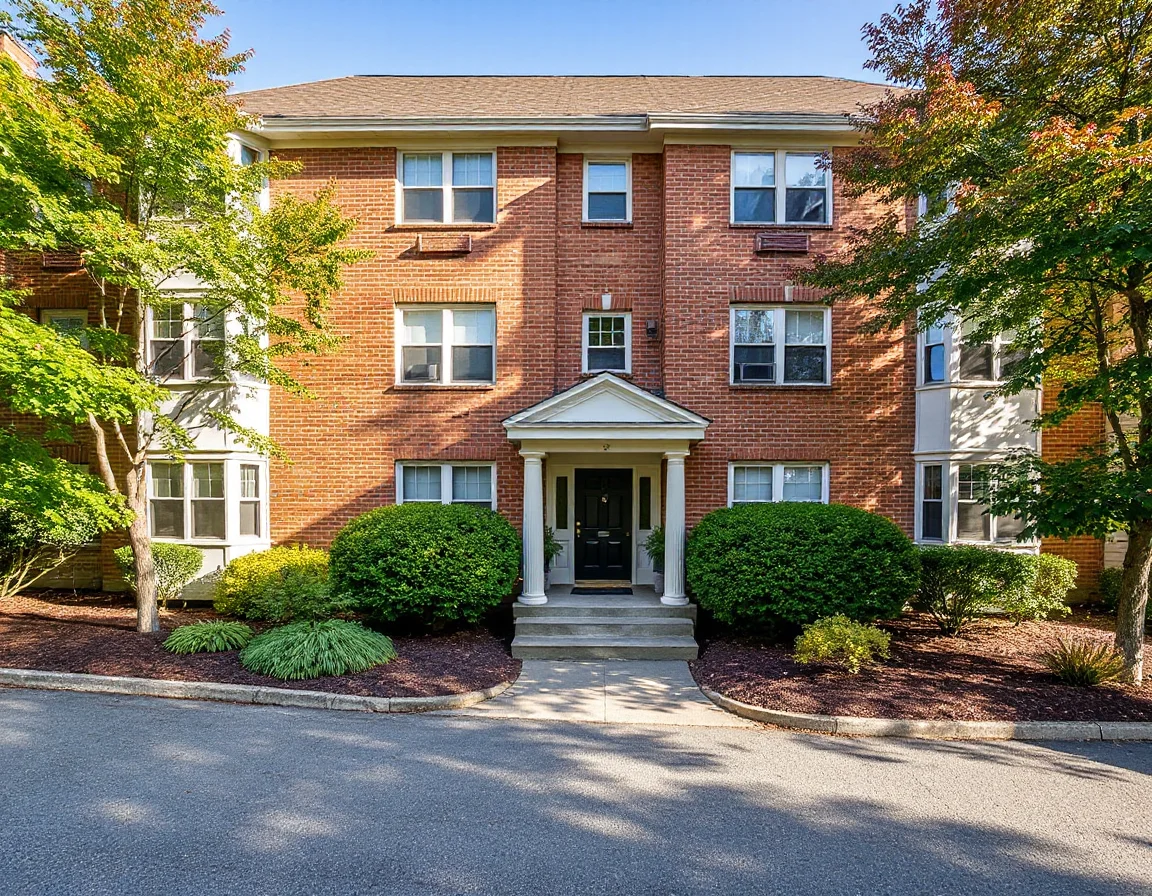
In Cambridge, those details can differ block by block and building by building. Some condos are in classic attached structures with only a few owners. Others are in larger associations with elevators, shared amenities, and more extensive operating budgets. The best fit depends on your priorities, but the key is making sure the rules and management style align with how you plan to own and use the home.
Small associations can offer lower shared overhead, but they may also have less reserve depth if a major repair appears unexpectedly.
It also helps to ask whether the building has had recent turnover in ownership or management. Stability is not a guarantee of quality, but frequent changes can prompt useful follow-up questions about budgeting, maintenance, or administration. Buyers who take time to understand the association often feel more confident about both their offer strategy and long-term plans.
Look Closely at Condition and Future Resale
Next come questions five and six: What condition issues should I budget for inside the unit? And what could influence resale value later? These questions push the conversation beyond finishes and into practical ownership. Hardwood floors and renovated counters may photograph beautifully, but windows near the end of their life, aging HVAC systems, dated electrical work, or signs of moisture deserve equal attention. In older Cambridge housing stock, the distinction between cosmetic updates and systems that matter is especially important.
An inspection, document review, and careful walk-through can help you sort cosmetic preferences from true maintenance concerns. Consider the age of appliances, the condition of common hallways and exterior areas, and whether recent work appears consistent and well executed. If a unit has been renovated, ask whether permits were required and completed where applicable. The goal is not to find a “perfect” condo; it is to understand what you are buying and what it may require over the next several years.

Resale value, meanwhile, is often shaped by a combination of layout, natural light, location within the building, storage, parking, and overall association health. Two units with similar square footage can perform differently over time if one has a more functional floor plan, lower carrying costs, or better maintained common areas. Buyers who think one step ahead tend to make steadier decisions in competitive markets.
It is also worth paying attention to the immediate surroundings in an objective way: transit access, nearby green space, street patterns, and proximity to everyday services can all affect convenience and demand. These are practical location facts, not just selling points, and they can influence both your experience as an owner and your options when it is time to move.
A Calmer Condo Purchase Comes From Better Questions
Cambridge condo buying rarely becomes less competitive because a buyer hopes it will. What does reduce stress is walking into each showing and each disclosure package with a reliable framework: understand monthly costs, ask about assessments, learn how the association operates, confirm building rules, examine condition carefully, and evaluate future resale with a clear eye. Those six questions can quickly separate a promising listing from one that only looks good at first glance.
For buyers working through a fast-moving market, preparation matters as much as timing. Solid research, prompt document review, and a consistent comparison process help you move decisively without skipping important details. When you know what to ask, the process becomes less about drama and more about making a smart, informed purchase.