
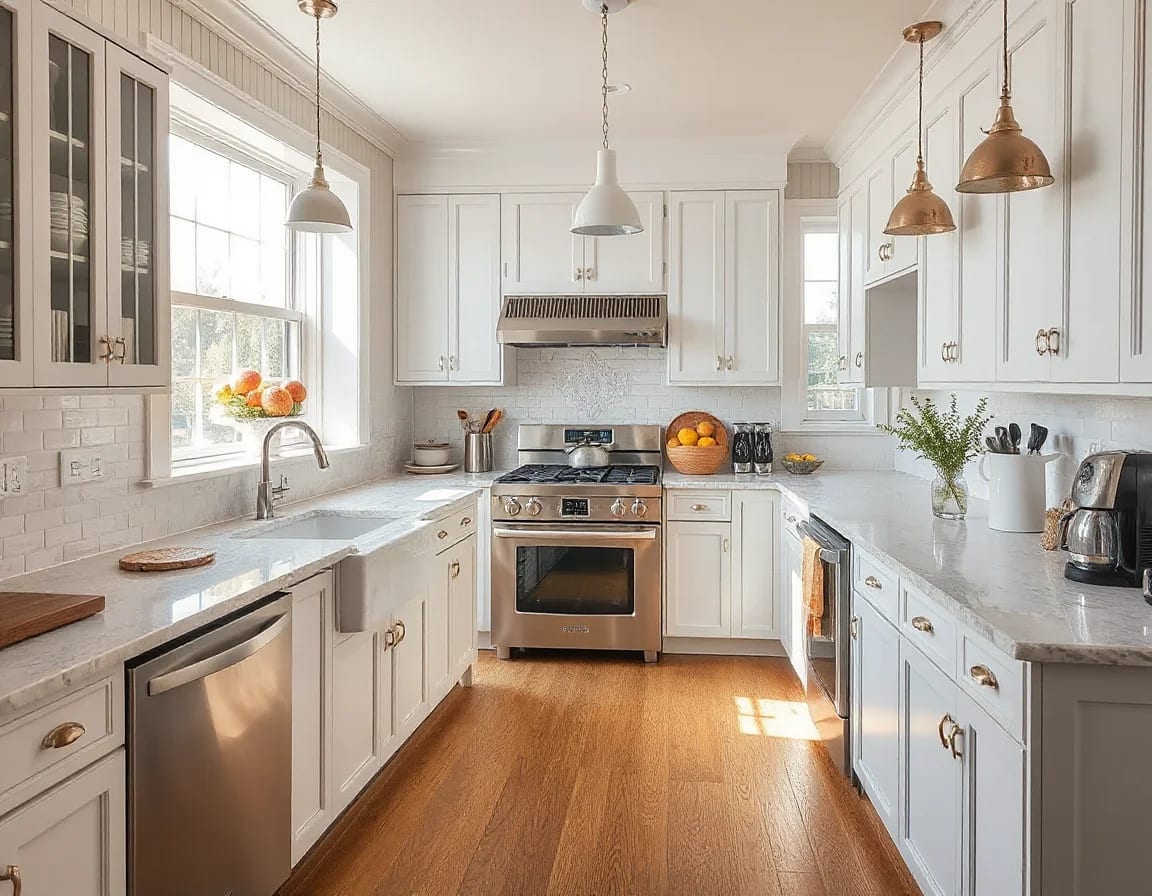
Older homes in Somerville often have character that buyers remember, but online presentation determines whether that character reads as charming or simply dated. A few smart digital upgrades can help period details, flexible layouts, and recent improvements stand out in listing photos, search results, and virtual tours. The goal is not to erase age—it is to make the home’s strengths clear from the very first click.
Lead with visuals that clarify, not clutter
When a home has original trim, older flooring, unusual room shapes, or a long list of updates completed over time, online buyers need a clean visual story. In Somerville, where housing stock can include multi-era renovations, compact footprints, and classic New England details, the first digital move is making sure listing photography explains the home immediately. That means bright, accurate photos, thoughtful room sequencing, and a clear sense of scale from the entry to the kitchen, living areas, bedrooms, and outdoor space.
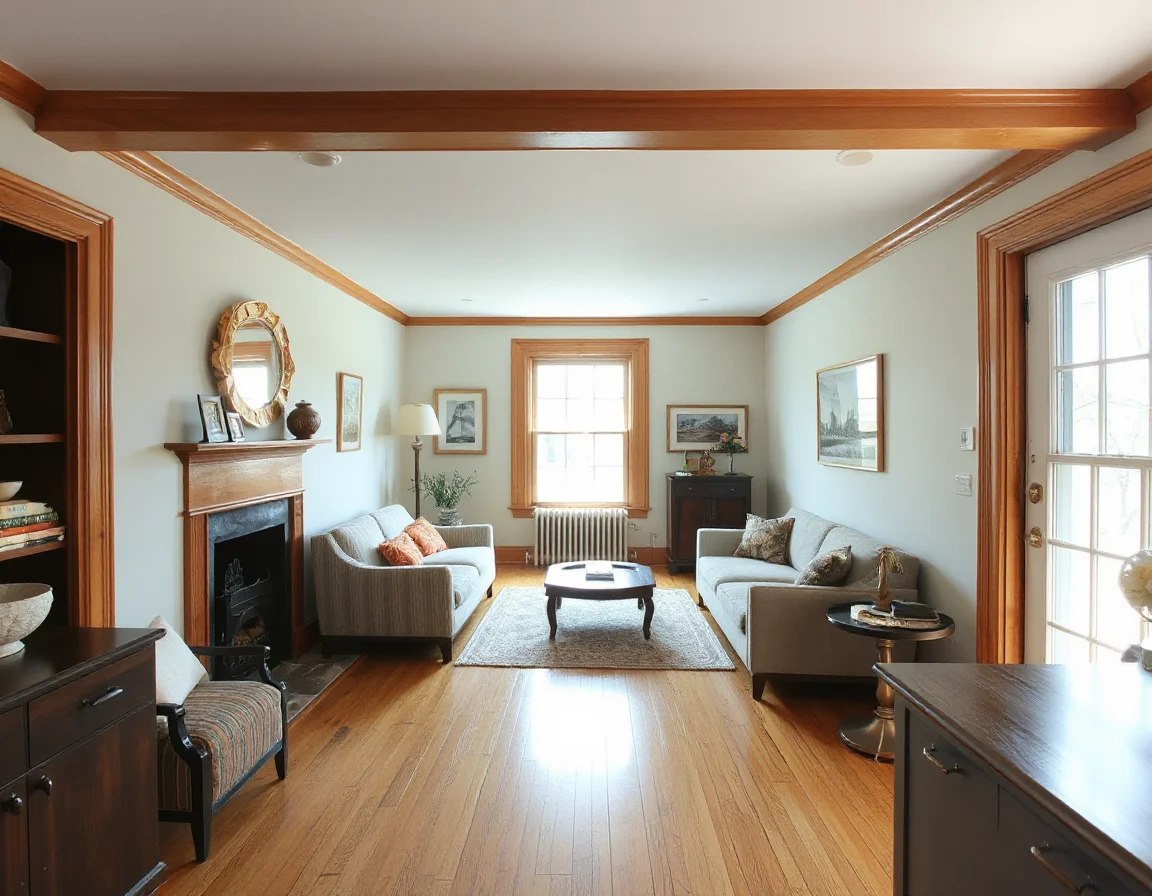
Professional images are especially valuable in older properties because they can show what the eye notices in person: ceiling height, window light, millwork, built-ins, and how updated finishes work with historic elements. Wide but natural angles help viewers understand circulation without making rooms feel distorted. A well-edited photo set should also answer common questions before they are asked, such as whether the basement is usable, whether there is dedicated laundry space, or how the backyard, deck, or parking area connects to the house.
Equally important is what not to show. Extra furniture, countertop appliances, visible cords, and personal collections can make a room feel smaller and distract from architectural detail. Digital success starts with real preparation: decluttering, neutral styling, and minor cosmetic touch-ups that help photos carry the home’s story across phones, tablets, and desktops.
In online search, buyers often decide within seconds whether to open a listing gallery. The first five images should quickly show the exterior, main living space, kitchen, best natural-light room, and one feature that gives the home its personality.
Use floor plans and captions to solve the “older home” question marks
One reason some older homes underperform online is not the condition of the property—it is uncertainty. Buyers scrolling through listings may wonder how the rooms connect, whether an office is truly separate, or whether an upper-floor bedroom has practical ceiling height. A digital floor plan can remove that friction. It gives structure to the photo gallery and helps people understand how an older layout functions for today’s routines.
Good captions matter too. Instead of relying on vague phrases, use concise, factual descriptions that explain upgrades and features: renovated bath in 2022, insulated windows, dedicated mudroom area, enclosed porch, finished lower-level bonus space, or recently updated systems. These details are especially helpful in Somerville’s competitive market, where buyers often compare older homes with condos, renovated multifamilies, and smaller single-family properties in the same search session.

Another strong move is adding a simple “updates snapshot” graphic or clearly ordered remarks section. If the roof, heating system, electrical panel, or kitchen appliances have been replaced, present that information in a way that is easy to scan. Older homes shine online when buyers can quickly separate permanent value from cosmetic age. Transparency builds confidence, and confidence keeps viewers engaged long enough to book a showing.
Casey Popkins’ blend of real estate knowledge and digital marketing perspective is useful here because online presentation is not just about uploading photos. It is about anticipating the comparison process. If a buyer is weighing several listings in Somerville, the homes that communicate layout, updates, and condition most clearly often generate stronger early interest.
Create a listing page that feels complete on every device
Most buyers begin on mobile, and older homes need especially strong mobile presentation. Tiny text blocks, missing image order, and buried property details can make a well-maintained listing feel less compelling than it is. The third digital move is making sure the home’s page reads cleanly on a phone: headline image first, essentials visible immediately, and room-by-room visuals that load in a logical sequence.
Virtual tours and short video walkthroughs can also help older homes perform better, particularly when they include distinctive staircases, attic-level rooms, lower-level flex space, or additions that are harder to understand from still photography alone. A calm, steady walkthrough allows buyers to grasp proportions and transitions. It also reduces the risk that a unique layout will be misread online.
Property descriptions should support that same clarity. Rather than overusing buzzwords, focus on specifics: original detail paired with kitchen updates, flexible top-floor rooms, private outdoor area, or proximity to transit, parks, and neighborhood amenities. This approach keeps the language accurate, useful, and compliant while still making the home memorable.
If a feature needs explanation—like a finished attic room, tandem parking, or a lower-level bonus area—digital content should answer the question before a buyer moves on to the next listing.
Show the home in context without overselling
Older homes often benefit from location storytelling, but the best version is factual and grounded. In Somerville, that can mean highlighting access to transit, nearby green space, neighborhood squares, local dining options, bike routes, and everyday conveniences. Buyers are not just evaluating finishes; they are evaluating how a property fits into daily life. Digital marketing should connect the home to the practical rhythm of the area without making assumptions about who will live there.
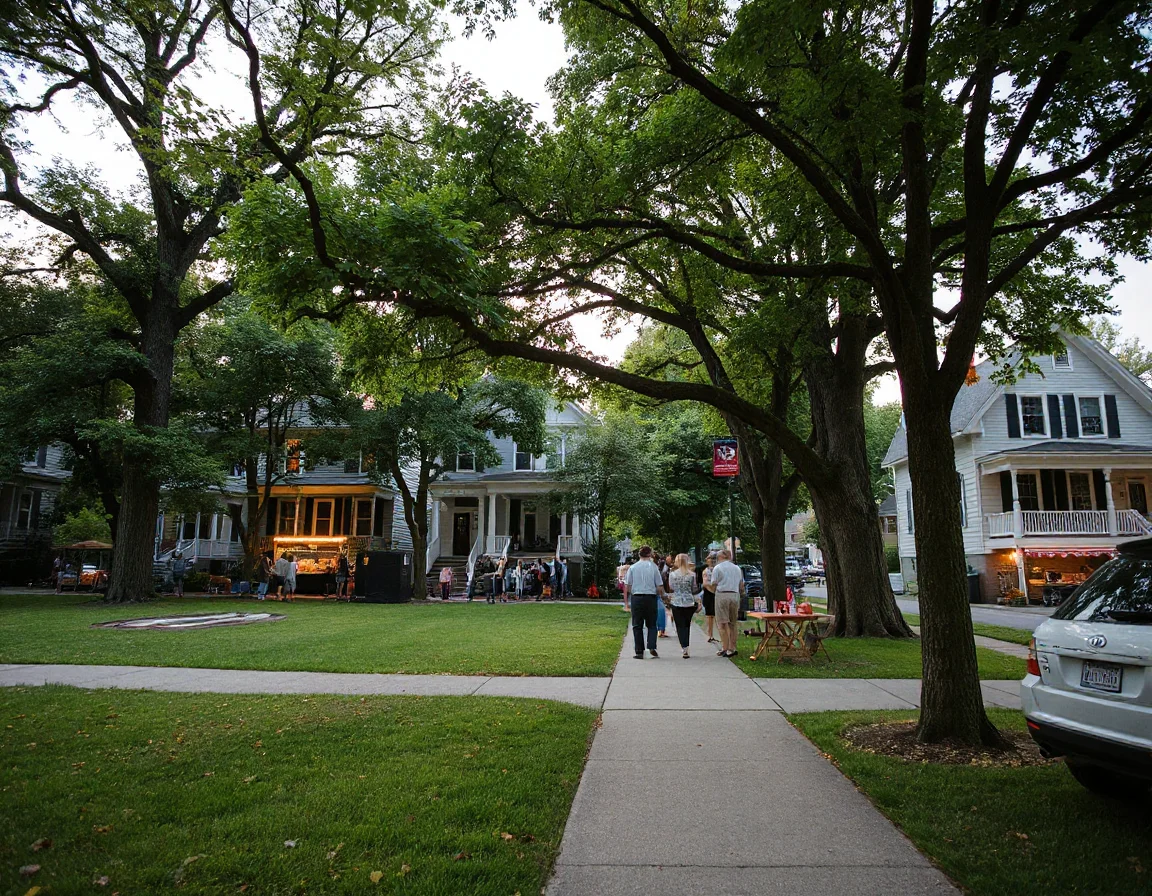
That context can be woven into the listing through map highlights, nearby destination references, and photos that reflect the feel of the surrounding blocks. For a seller, this matters because character homes rarely compete on square footage alone. They compete on atmosphere, convenience, craftsmanship, and the appeal of living in an established neighborhood with strong access to the broader Boston area.
At the same time, honesty remains the best digital strategy. If a home has compact bedrooms but excellent natural light, say so through images and layout tools. If the kitchen is updated but modestly sized, present it cleanly and clearly. The strongest online campaigns make it easier for the right buyers to recognize the home’s value quickly, which can improve showing quality and reduce confusion once people arrive in person.
Polish the details that influence clicks and showings
The final digital moves are small on paper but powerful in practice: thumbnail selection, listing headline wording, showing-time coordination, and retargeting through major listing platforms and social promotion where appropriate. A great thumbnail should show either the home’s strongest exterior angle or its best interior moment if the exterior is more understated. The headline should be simple and descriptive, pointing to upgrades, layout utility, or standout features rather than relying on generic adjectives.
For older homes, timing can also matter. Launching with complete media, accurate remarks, and a full set of documents creates a stronger first impression than releasing a listing before everything is ready. Once a home hits the market, buyers compare fast. The cleaner the digital rollout, the better the chance that original details, practical updates, and neighborhood access all come through together.
Somerville sellers do not need to modernize every inch of an older property to compete well online. They need a digital strategy that respects the home’s age while making its condition, improvements, and livability easy to understand. When the visuals are sharp, the information is organized, and the presentation is built for how buyers actually search, older homes can stand out for exactly the reasons they should.