
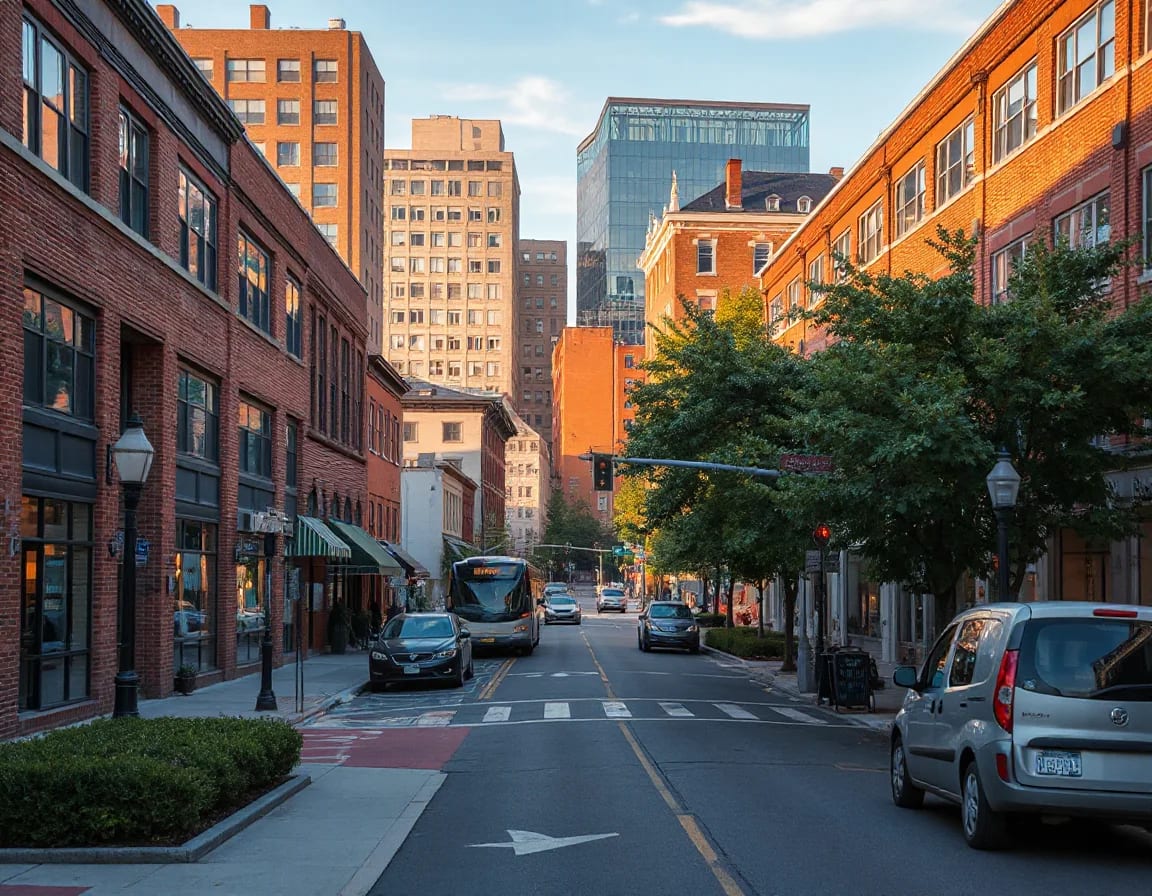
Square footage matters, but it rarely tells the whole story in Brookline. The way a block feels at different times of day, how buildings relate to the street, where daily errands naturally fit, and how quickly the surroundings change from one corner to the next can shape your experience more than an extra room count. If you are comparing homes in this market, these four block-level clues can help you narrow choices with more confidence.
Why block-level detail changes the search
In a place as layered as Brookline, two homes with similar price points and layouts can live very differently from one another. One street may offer a steady rhythm of foot traffic, mature trees, and quick access to Green Line stops, while the next may feel more tucked away, with longer setbacks, quieter sidewalks, and a different pace entirely. Those differences do not always show up in listing photos or property descriptions, but they become obvious once you start looking at the block itself as part of the home.
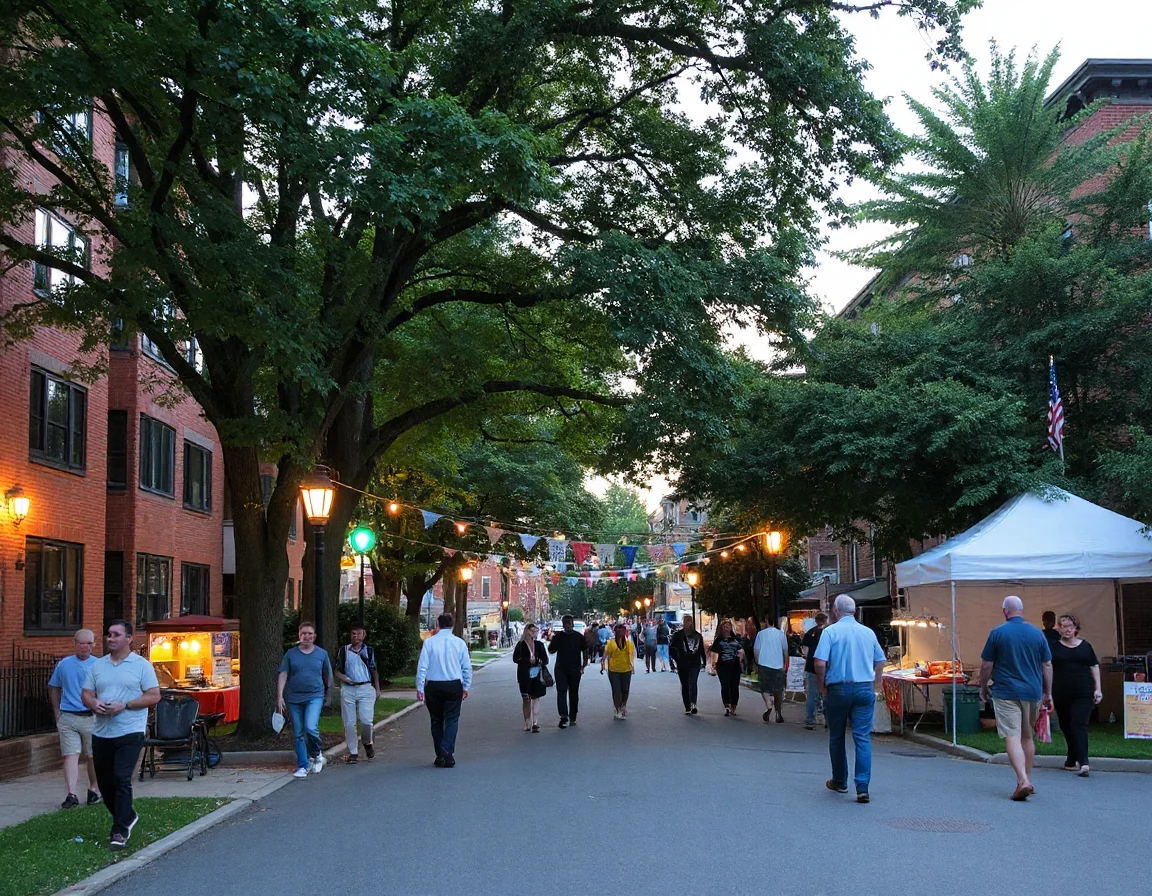
The first clue is the street rhythm. Pay attention to what sits immediately around the property: detached homes, brick condos, corner retail strips, bus stops, school-adjacent traffic patterns, and one-way versus two-way flow. Brookline has blocks that feel highly connected and blocks that feel more insulated, and neither is automatically better. The key is matching that pattern to how you actually move through the week, whether that means frequent transit use, easy dog walks, a faster route to Longwood, or a shorter stop for groceries and coffee.
A second clue is how the buildings meet the sidewalk. Front porches, stoops, hedges, fences, and setback depth all influence how open or private a home feels before you ever step inside. Even when interior square footage is modest, a well-positioned entry, good natural light, and an attractive view out to the street can make the home feel more generous. By contrast, a larger unit on a less comfortable stretch may not deliver the same everyday ease.
A short showing can miss the point of a block. If a home is a contender, it is worth revisiting at a different hour to compare traffic flow, light, and sidewalk activity before making a decision.
Clue #1: The five-minute pattern around the front door
One of the most useful tests is simple: imagine the first five minutes after you leave the front door. Are the sidewalks broad and direct? Is the nearest corner pleasant to walk? Do crosswalks and intersections feel straightforward? In Brookline, these small movement details can shape how often you actually use nearby amenities. A location can be close to a village center on paper yet feel less convenient because of hill changes, intersection design, or the way the block connects to the next one.
This matters especially in a market where buyers often compare condo living, attached homes, and single-family options across several sub-areas. Washington Square, Coolidge Corner, Brookline Village, and Chestnut Hill each offer different combinations of transit access, daily services, and architectural character. Rather than asking only which district sounds best, it helps to ask which exact block creates the least friction for the routines you expect to repeat most often.
That same five-minute pattern also reveals how the home participates in the neighborhood. A block with frequent doorways, well-kept landscaping, and visible pedestrian movement can feel connected and active. A block with larger lot lines and fewer entries may feel more removed. Neither setup guarantees a better resale outcome by itself, but understanding the pattern helps you compare homes more honestly when prices are close.
Clue #2: Transitions from one corner to the next
Brookline rewards buyers who notice transitions. The atmosphere can shift quickly between busier corridors and side streets, between larger condo buildings and classic wood-frame homes, or between commercial edges and greener residential stretches. If a listing advertises proximity to a popular destination, take a close look at the path between the home and that destination. A block that acts as a smooth connector often feels more valuable in daily life than one that is technically nearby but less intuitive to navigate.
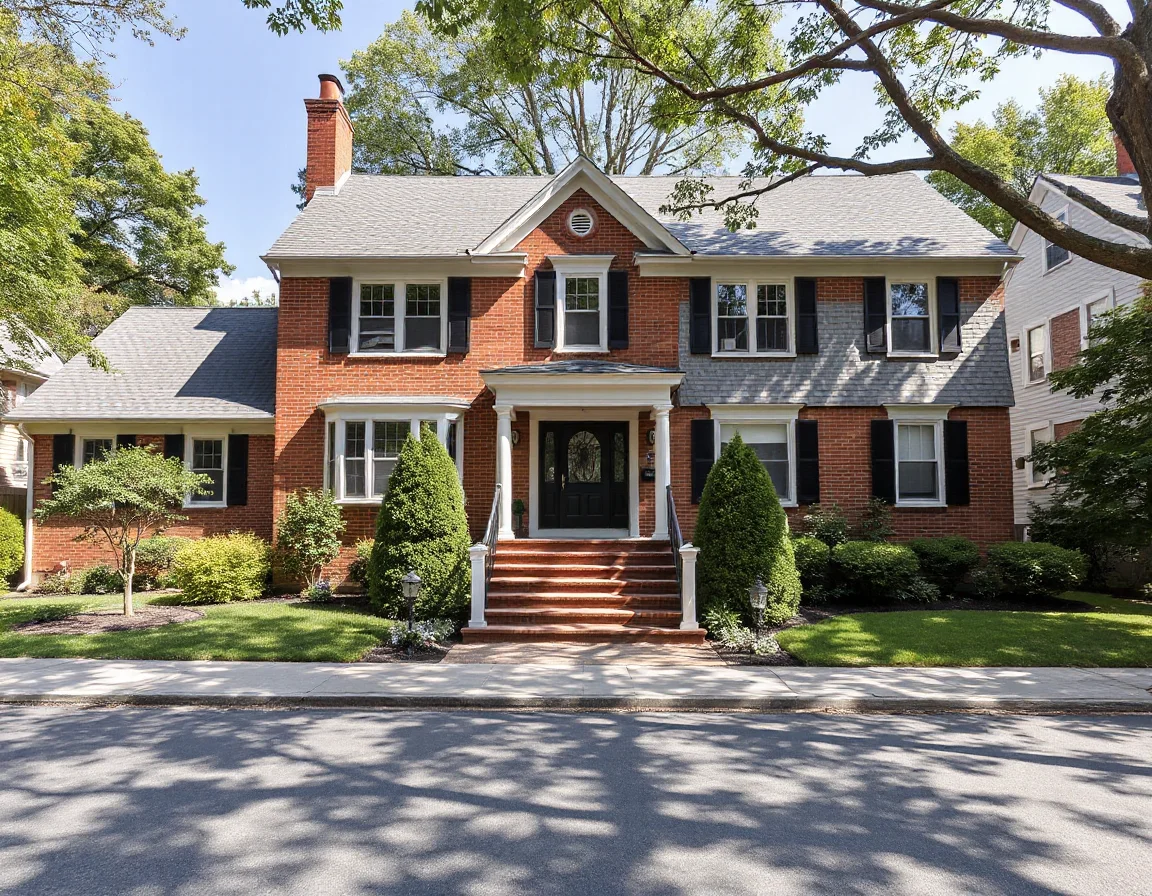
Watch for transition points: where parking patterns change, where buildings get taller, where sidewalks narrow or widen, and where tree cover becomes more or less consistent. These can influence noise levels, privacy, afternoon light, and how the home feels through the seasons. They also affect the way guests, deliveries, and service providers experience the property, which can matter more than buyers expect.
For attached or multifamily homes, transitions inside the block matter too. A corner unit may gain light and openness but also sit closer to turning traffic or busier pedestrian routes. A mid-block unit may trade some visibility for a more settled feel. A larger floor plan is not automatically the stronger choice if the smaller option sits in the more appealing micro-location.
In Brookline, a one-block shift can noticeably change light, noise, and walkability. Comparing addresses on foot often reveals value differences that photos and floor plans flatten out.
These details are where local market knowledge pays off. Casey Popkins brings a Boston-area perspective shaped by both real estate practice and real estate technology, which can help buyers sort through what is measurable online and what still needs to be experienced in person.
Clue #3 and #4: Daily convenience and the feel of the housing mix
The third clue is practical convenience, not in a broad promotional sense but in the literal, repeatable sense of daily life. How long does it take to reach transit, green space, medical offices, groceries, or a favorite coffee stop? Is the route direct? Does the block support quick trips without requiring a car every time? In Brookline, where many buyers value flexibility, these details can affect how livable a home feels long after the move-in date.
The fourth clue is the housing mix on the immediate block. Brookline’s appeal comes in part from variety: stately single-family homes, elegant prewar buildings, brick mid-rise condos, and smaller multifamily properties can all sit within a short distance. That variety creates rich streetscapes, but it also means the same square-footage number may perform differently depending on ceiling height, window placement, shared walls, parking setup, and how the building presents from the street.
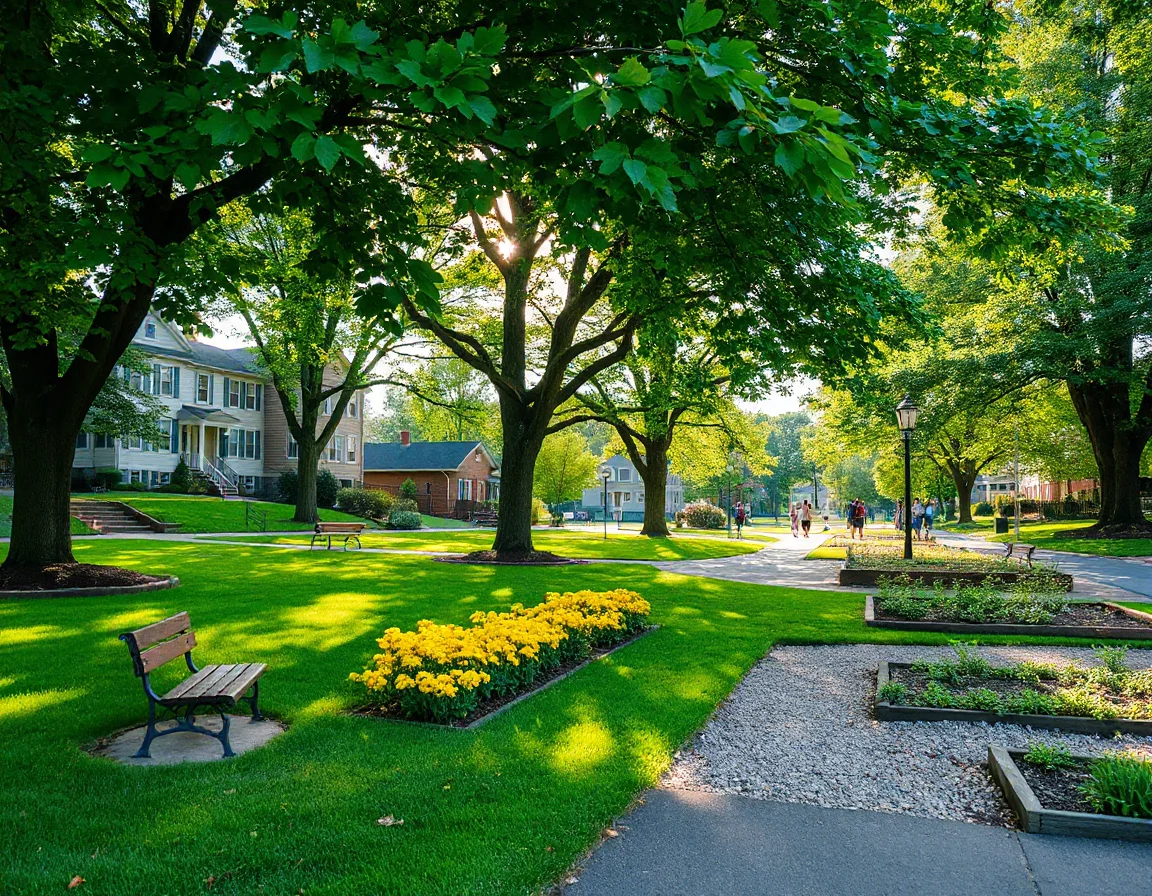
For example, a smaller home near a well-used park, transit connection, and village center may feel more efficient and satisfying than a larger one that creates extra commuting friction or lacks the same sense of place. Likewise, a home with moderate interior space but a beautiful relationship to the block, with good light, attractive setbacks, and easy access to neighborhood amenities, can outperform larger competitors in real-world enjoyment.
This is where buyers benefit from stepping back from the spreadsheet. Price per square foot is useful, but it is only one tool. In Brookline, block-level context often explains why two apparently similar homes draw different levels of interest or feel stronger in person.
The takeaway for a competitive Brookline search
When inventory is tight, it is easy to focus on bedrooms, baths, and square footage because they are easy to compare quickly. But the strongest decisions often come from noticing what is harder to quantify: the rhythm of the street, the quality of nearby transitions, the practicality of daily routes, and the character created by the surrounding housing mix. Those are the clues that turn a listing from acceptable on paper into a home that truly works.
If you are evaluating options in Brookline, try ranking each property by block experience as well as by floor plan. That extra layer of analysis can sharpen your shortlist, reduce second-guessing, and help you act decisively when the right fit appears.