

If your home search starts with “somewhere on the Red Line,” the next step is figuring out how daily routines, housing stock, and pricing shift from Boston to Cambridge to Somerville. These three markets can feel connected on a map, yet they often deliver very different experiences block by block. A clear comparison helps you focus on the places that best match your budget, commute, and must-have features before inventory moves.
The common thread: access, convenience, and fast-moving decisions
Living along the Red Line often appeals to buyers who want strong transit access, walkable commercial corridors, and a wide range of housing choices within a relatively compact geography. But the phrase “on the Red Line” can flatten important differences. A condo near Davis Square, a brownstone near Central Square, and a home in a Boston neighborhood with Red Line access may all offer train convenience, yet they can vary meaningfully in price point, lot size, building style, and the pace of competition.
That is why a reality check matters. Instead of treating these places as interchangeable, it helps to compare what your money typically buys, what the streetscape feels like, and how much flexibility you may need on tradeoffs like square footage, outdoor space, parking, or renovation condition. In a market where desirable listings can draw immediate attention, clarity is a real advantage.

For many buyers, the first useful question is not “Which city is best?” but “Which daily pattern am I actually buying into?” Some blocks offer quick station access and dense amenity clusters. Others may provide quieter side streets, larger homes, or more conventional layouts, but at a longer walk from the train. Understanding that tradeoff early can save time and reduce decision fatigue.
Two homes with the same train line access can perform very differently on price depending on exact station distance, building condition, and whether the property includes parking or outdoor space.
Boston, Cambridge, and Somerville all benefit from demand tied to transit, employment centers, and established neighborhood identity. Even so, each market tends to attract attention for different reasons: Boston for scale and variety, Cambridge for persistent demand and tight inventory near major institutions and commercial centers, and Somerville for a mix of established housing stock, active neighborhood nodes, and evolving redevelopment pockets.
Boston: the widest range of inventory, with major neighborhood differences
Among the three, Boston usually gives buyers the broadest spread of housing options. Depending on neighborhood, Red Line access may connect you to classic rowhouses, smaller condos, multifamily conversions, newer buildings, and occasional single-family opportunities. That range can be helpful if your search criteria are still flexible, because the city offers more chances to compare layouts and price tiers without leaving the transit corridor entirely.
What changes quickly in Boston is neighborhood character. Some Red Line-served areas feel intensely urban, with dense blocks and frequent street activity. Others offer more residential side streets, park access, or a slightly looser pattern of development. Commute times, parking availability, and building age can all shift within a short distance, so buyers often benefit from evaluating micro-locations rather than relying only on neighborhood names.
Pricing in Boston can also be less predictable than buyers expect. A property that appears relatively affordable may need substantial updates, carry a less efficient layout, or sit farther from the station than comparable homes. On the other hand, buyers who are open to cosmetic improvements may occasionally find better value where the underlying location fundamentals remain strong.
Cambridge: high demand, compact inventory, and strong long-term appeal
Cambridge tends to be the market where buyers feel the sharpest contrast between wish list and budget. Inventory can be limited, and well-located homes often draw fast attention because demand stays elevated across many property types. Condominiums, attached homes, and classic multifamily-derived residences are common, and buyers frequently encounter homes where architectural character, efficient access, and central location carry a significant premium.
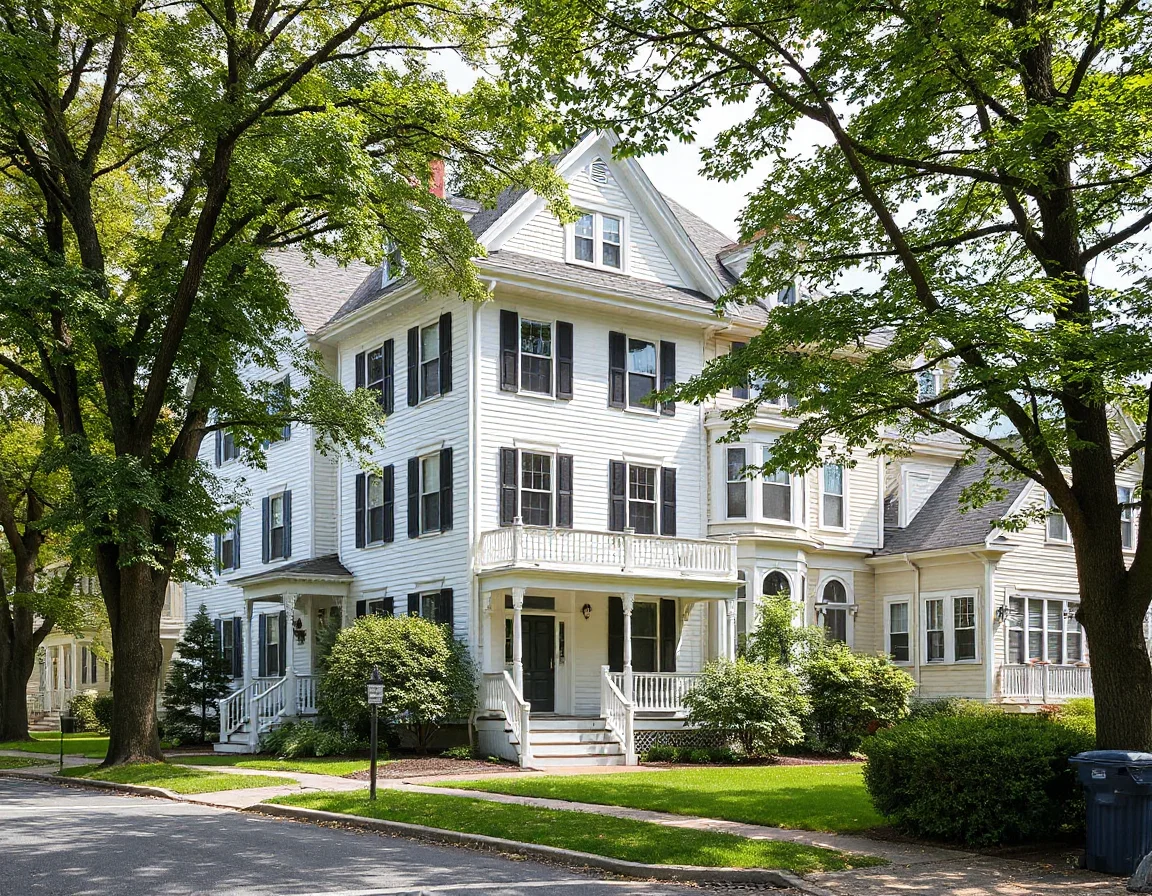
One reason Cambridge stands out is consistency. Buyers are often paying not just for interior features, but for a location pattern that supports short trips, established public spaces, and access to a dense network of services and employment centers. In practical terms, that can mean smaller square footage at a higher price compared with some alternatives nearby. For some buyers, that tradeoff feels worthwhile because of convenience and resale resilience; for others, it becomes the reason to look one stop farther out.
Another reality in Cambridge is that condition matters, but location can matter more. Updated kitchens and baths are certainly valued, yet many buyers are willing to take on limited improvements if the block, building, and transit access check the right boxes. This is especially true when inventory is thin and competition narrows the list of realistic options.
In tighter submarkets, buyers who have financing lined up and a clear repair tolerance often move more confidently than those still deciding whether they want turnkey or cosmetic-project options.
That does not mean every Cambridge listing sells the same way. Overpriced homes, awkward floor plans, and properties with deferred maintenance can still sit longer than expected. But overall, buyers should prepare for a market where speed, preparation, and realistic expectations carry real weight.
Somerville: strong neighborhood identity and a different value equation
Somerville often enters the conversation when buyers want Red Line access but hope for a different balance of price, space, and neighborhood feel. The city offers a notable mix of triple-deckers, condo conversions, attached homes, and select newer construction, with many pockets that feel distinct from one another. Around stations and commercial clusters, the energy can be lively and compact; on side streets, the atmosphere may shift toward quieter residential blocks with mature trees and traditional New England housing stock.
Compared with Cambridge, buyers sometimes find Somerville offers slightly more flexibility on space or configuration, though that does not automatically mean “cheap.” Demand remains strong, and homes near favored locations can be highly competitive. The value equation tends to be about relative tradeoffs: perhaps a bit more interior room, a different style of building, or a more approachable entry point in exchange for a slightly different commute pattern or block-to-block feel.
Somerville is also worth looking at closely if your priorities include a strong local rhythm shaped by plazas, neighborhood parks, and active pedestrian corridors. The appeal here is often less about one headline feature and more about how the pieces fit together day to day: station access, local gathering spots, bike routes, older housing with character, and practical proximity to both Cambridge and Boston.

As in the other two markets, specific station areas matter. A home advertised as “close to transit” may differ substantially in actual walking route, topography, or nearby street activity. Buyers who tour at more than one time of day often gain a better sense of what the immediate environment really feels like.
How to compare them without getting overwhelmed
A practical way to compare Boston, Cambridge, and Somerville is to rank your non-negotiables before you tour too many homes. Start with transit time, monthly budget, and minimum space needs. Then add the features that are important but flexible, such as private outdoor space, parking, updated finishes, or a specific building type. Once that list is honest and prioritized, neighborhoods become easier to sort.
It also helps to compare listings by what they require after closing. A lower purchase price can lose its appeal if the home needs immediate systems work, layout changes, or major cosmetic updates. Meanwhile, a smaller but better-located property may provide stronger day-to-day usability if your routine depends on walkability and predictable access. Looking beyond price per square foot usually leads to better decisions in these markets.
For buyers using online search tools, the goal is not just to find every home near the line. It is to spot patterns quickly: where inventory is thin, where layouts tend to run small, where parking appears more often, and where condition seems stronger at a given price point. That pattern recognition is often what turns a broad search into a workable plan.
In the end, the Red Line is a shared advantage, not a guarantee that Boston, Cambridge, and Somerville will feel interchangeable. Each offers a different mix of pace, housing stock, and pricing pressure. Buyers who understand those differences early are usually better positioned to act decisively when the right home comes to market.